Lily Lace Font for Web Design
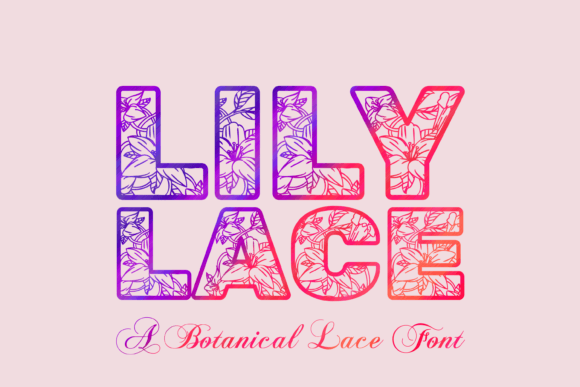
Lily Lace is a botanical lace font that brings elegance and sophistication to digital design. As a web designer, you know how important it is to choose the right typeface for your projects. Lily Lace offers a unique blend of ornate details and clean lines, making it ideal for display purposes across various digital platforms.
This font’s intricate patterns and flowing curves make it perfect for headers, logos, and decorative elements. Its visual appeal adds a touch of refinement without overwhelming the viewer. Whether you're designing a landing page, an online store, or a creative portfolio, Lily Lace can elevate the overall aesthetic of your work.
Using Lily Lace in Digital Layouts
In web design, visual hierarchy plays a crucial role in guiding user attention. Lily Lace excels as a display font for hero sections, call-to-action buttons, and section headings. Its delicate strokes and ornamental details create a strong focal point, drawing users into key messages or brand elements.
For example, on a boutique online store, Lily Lace can be used for product titles or promotional banners. It adds a sense of luxury and artistry, enhancing the brand’s identity. On a coaching website, it can serve as a header for service pages, reinforcing professionalism and creativity.
Readability and User Experience
While Lily Lace is a decorative font, it maintains a level of readability that makes it suitable for short phrases and headlines. When used appropriately, it doesn’t compromise the user experience. However, it’s best avoided for long paragraphs of text due to its intricate details, which can reduce legibility on smaller screens.
On mobile devices, ensure that Lily Lace is used at a sufficient size and paired with a contrasting background. For dark backgrounds, use light-colored text, and for light backgrounds, opt for darker tones. When placed over images, add a subtle overlay to maintain clarity.
Font Pairing and Brand Identity
Pairing Lily Lace with other fonts can enhance the overall design while maintaining balance. A common approach is to pair it with a sans serif font for body copy, creating a contrast between the decorative display font and the clean, readable text. This combination works well for blog headers, course sales pages, and content sections.
For editorial designs, pairing Lily Lace with a serif font can create a more traditional and sophisticated look. This is ideal for magazine-style websites, creative portfolios, or branded content. The combination of a script-like display font with a classic serif typeface adds depth and character to the layout.
Practical Applications for Web Designers
Lily Lace is particularly useful for logo design, where its elegant style can reflect a brand’s personality. It also works well for social media graphics, banners, and digital ads, adding a touch of class to promotional materials. For a creative portfolio site, using Lily Lace in the header or project titles can make the site feel more cohesive and professional.
When working on a product landing page, consider using Lily Lace for the headline and subheadline. It can draw attention to key features or benefits, making the message more engaging. In a digital brand kit, this font can help establish a consistent visual language across all assets.
Commercial Licensing and File Formats
Before using Lily Lace in commercial projects, check the licensing terms. Most premium fonts require a separate license for web use, client projects, and online stores. Ensure that the font includes webfont formats like WOFF or WOFF2 for seamless integration into websites.
Also, verify if the font supports multiple weights, alternates, and multilingual characters. These features can expand its usability across different languages and design needs. For a global audience, a font with broad language support is essential for maintaining consistency and accessibility.
Enhancing Visual Hierarchy and Brand Tone
The personality of Lily Lace aligns well with brands that aim to convey elegance, creativity, or a handmade feel. It’s ideal for industries such as fashion, beauty, lifestyle, and artisanal products. Using this font in key areas of a website can reinforce the brand’s tone and values.
When designing for conversion-focused layouts, consider using Lily Lace in CTA buttons or highlighted sections. Its visual appeal can make these elements more inviting, encouraging users to take action. However, keep the usage minimal to avoid clutter and maintain a clean interface.
Conclusion
Lily Lace is a versatile display font that adds a refined touch to web design. Its botanical-inspired details make it stand out in headers, logos, and decorative elements. By understanding its strengths and limitations, you can use it effectively to enhance visual hierarchy, brand identity, and user engagement.
As a digital creator, choosing the right font is part of building a strong online presence. Lily Lace offers a unique blend of beauty and functionality, making it a valuable addition to any design toolkit. Whether you're working on a personal project or a client’s website, this font can help you achieve a polished and professional look.